
In-ear placement
Small and discreet does not mean identical fit for every ear canal. Comfort depends on the user and the supplied ear tips.
Earsmate G13
For readers comparing in ear hearing aids and a small hearing aid, this page keeps G13 placement, controls, battery use, and sound specs in one practical view.
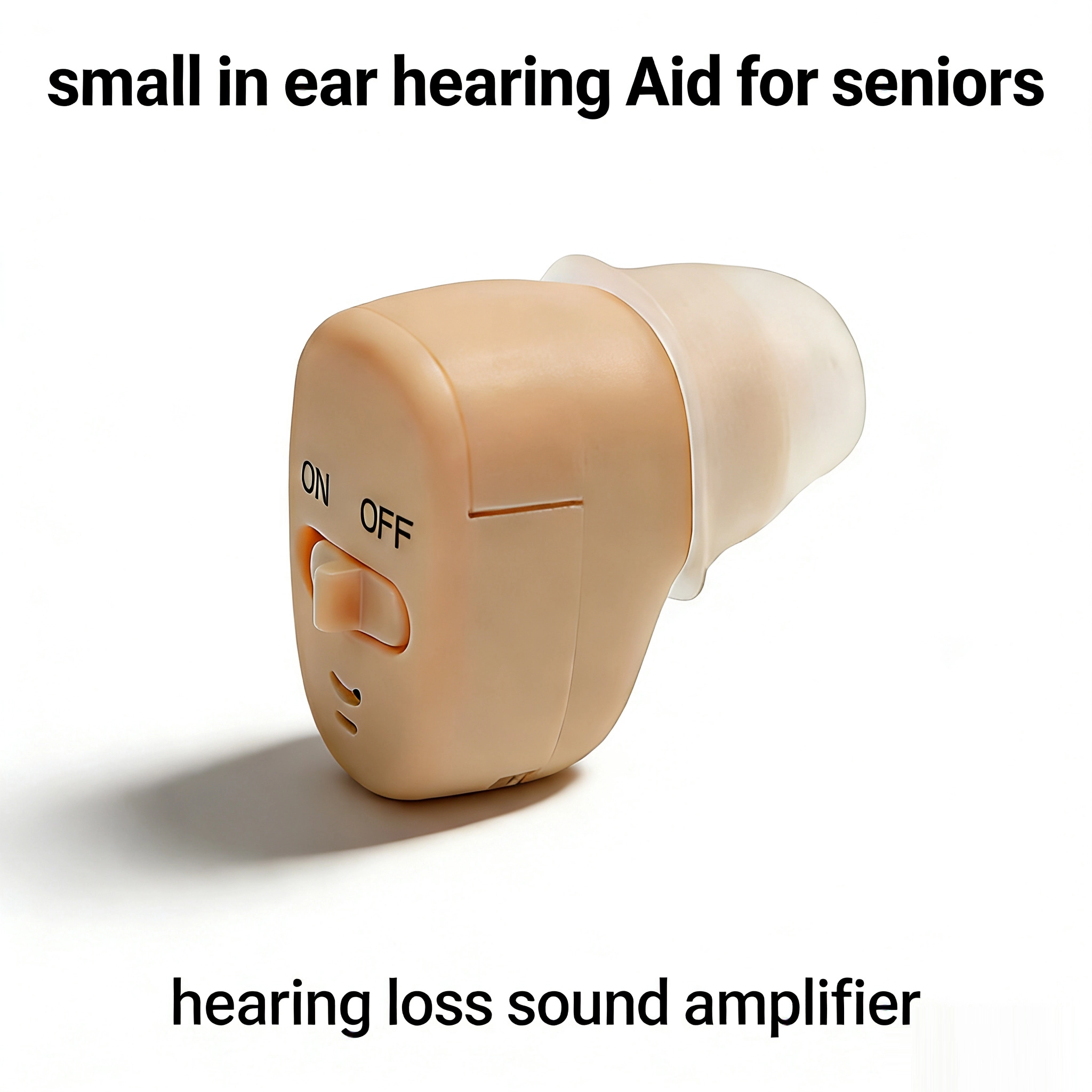
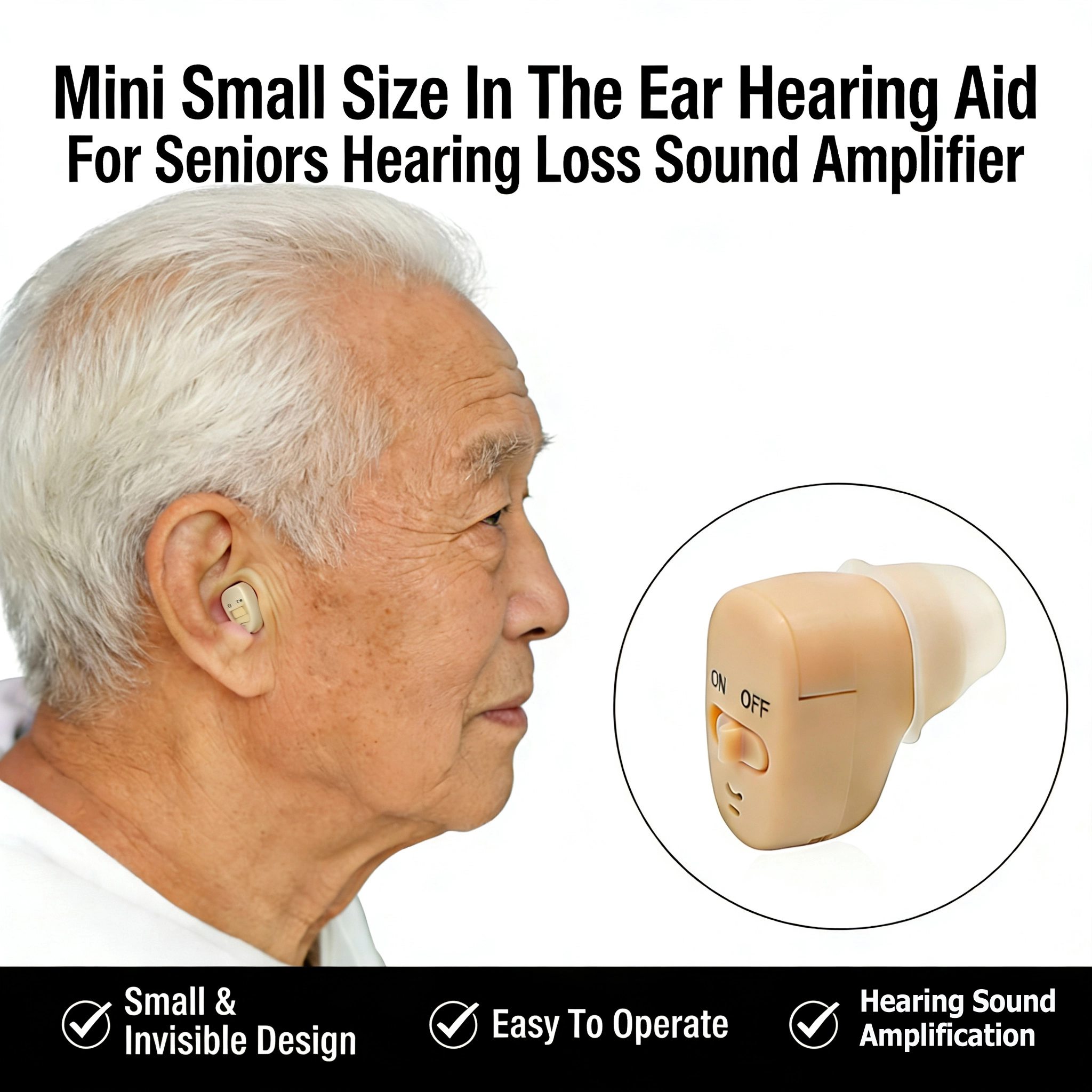
Fit and spec panel
| Model | Earsmate G13 |
|---|---|
| Wear style | Ultra-compact in-ear design for ear canal placement |
| Intended users | Adults, seniors, and elderly users with mild to moderate hearing loss |
| Controls | Adjustable volume wheel and on/off switch |
| Battery | A10 zinc air battery, described with up to 60 hours of operation |
| Sound specs | Up to 30dB max gain; 300 to 3500 Hz frequency range; <=5% distortion; <=28dB equivalent input noise |
| Certifications | CE, FCC, ROHS, FDA, ISO13485 |
| Fit note | Ear canal shape, handling comfort, and user needs should be checked before treating a compact device as the right match. |
Daily handling cues
The G13's compact body helps with discretion, but daily use still depends on fit, handling, battery replacement, and realistic listening expectations.
Small and discreet does not mean identical fit for every ear canal. Comfort depends on the user and the supplied ear tips.
The volume wheel and on/off switch support independent use for people who prefer fewer app or case-control steps.
A10 zinc air battery use makes battery replacement part of the daily planning, even with long operation time.
Related forms
These related products show how the same site separates in-ear, case-control rechargeable, and behind-the-ear handling styles.
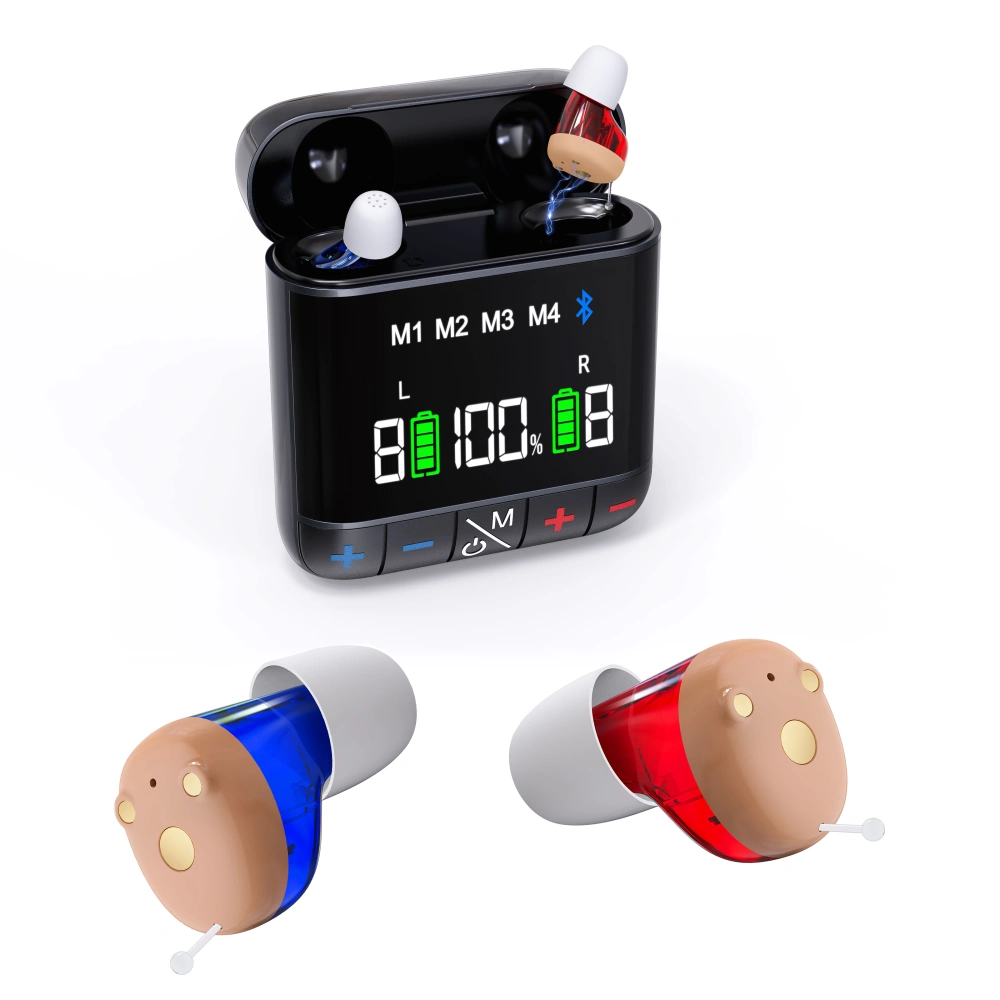
Useful when the buyer wants an in-ear form with charging-case controls instead of only device-level controls.
Open product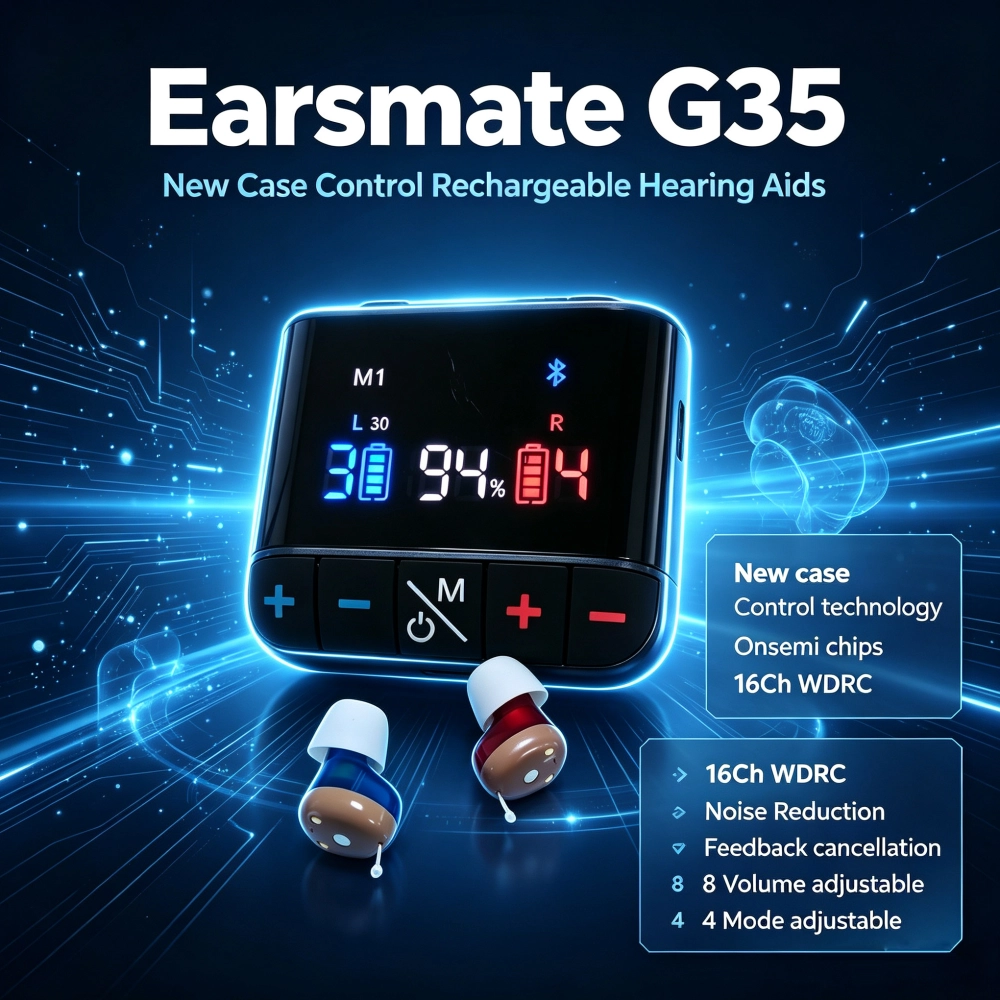
Useful when rechargeable battery habits and case-based adjustment matter more than disposable battery simplicity.
Open product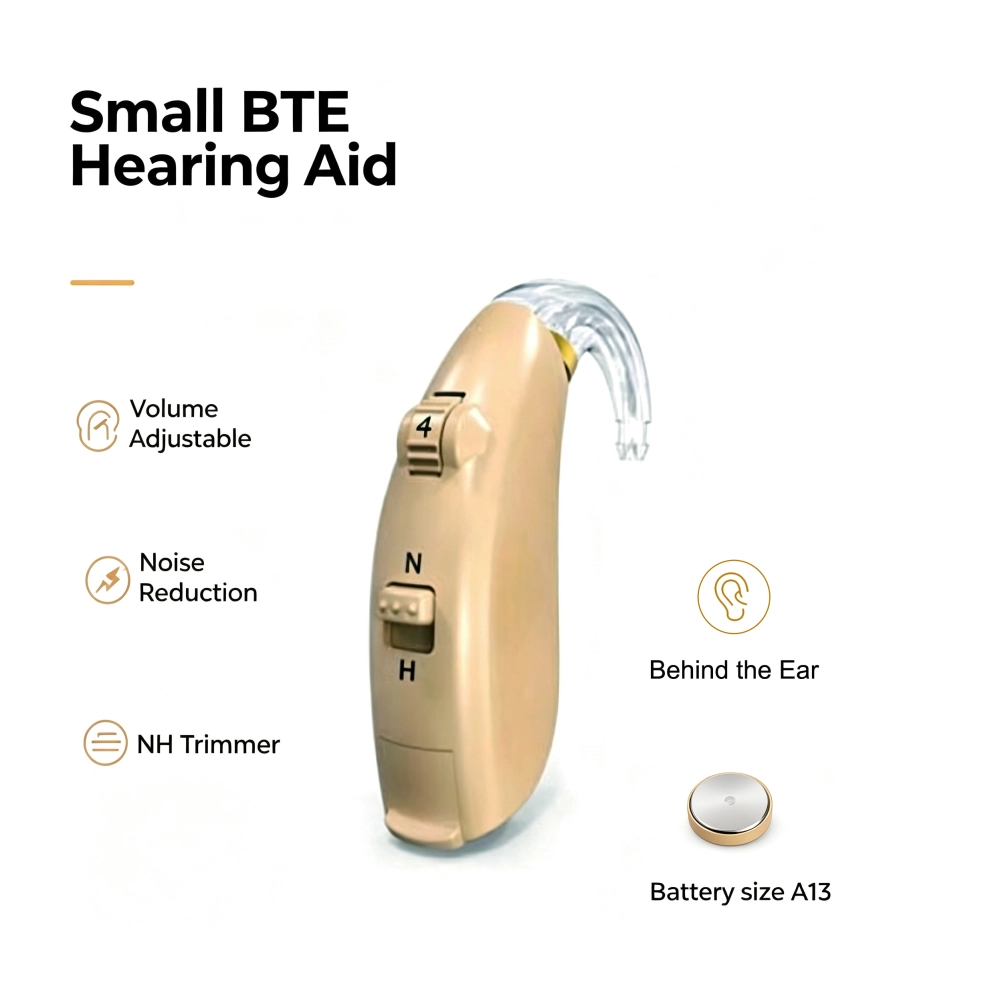
Useful when a buyer wants to compare canal placement with a behind-the-ear form factor and trimmer adjustment.
Open productFit reading
The three readings help buyers separate daily conversation settings, small-device fit, and in-ear versus behind-the-ear handling.
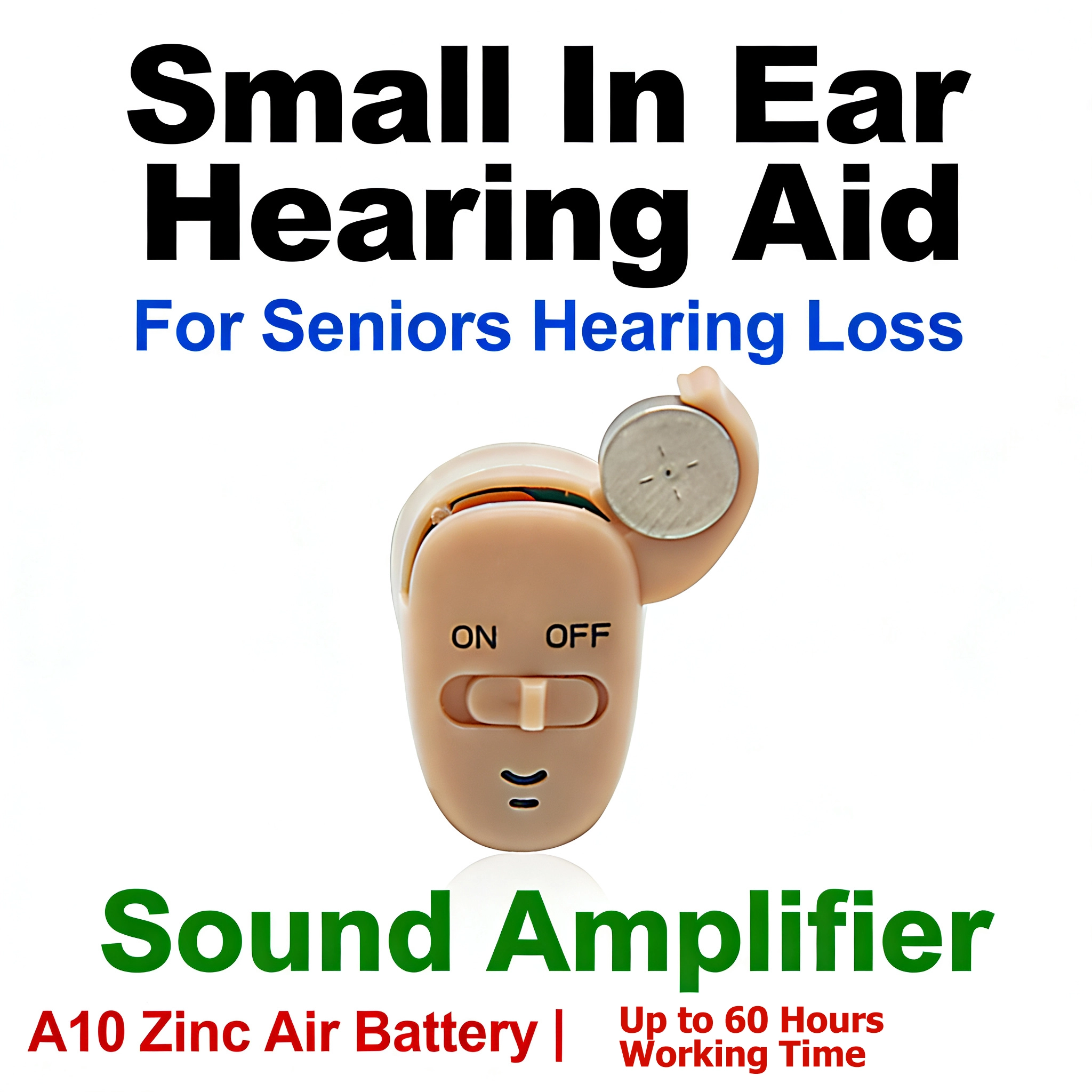
Use this when the main question is how discreet support fits family, home, or community conversations.
Open article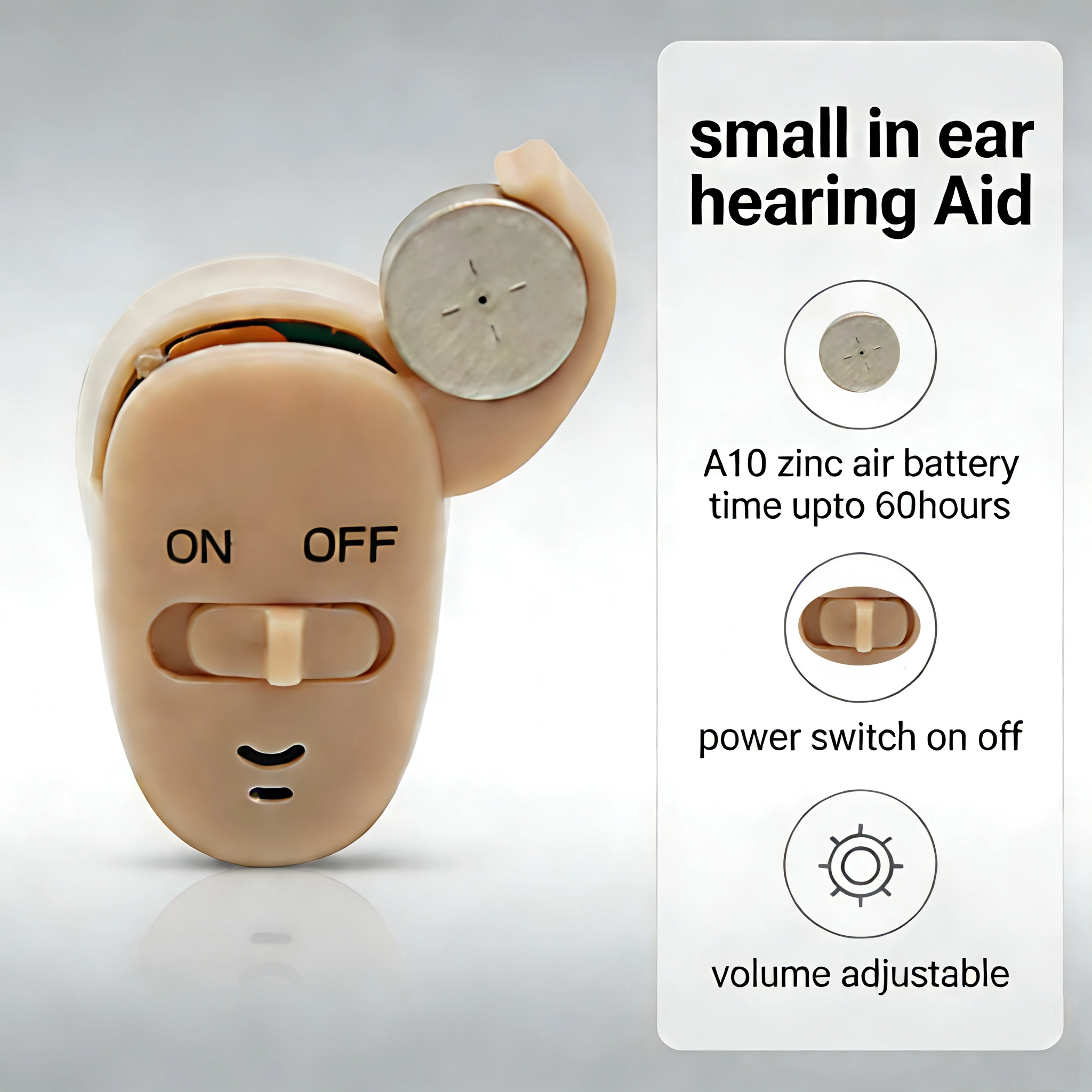
Use this when compact shape, canal placement, and all-day comfort need separate checks.
Open article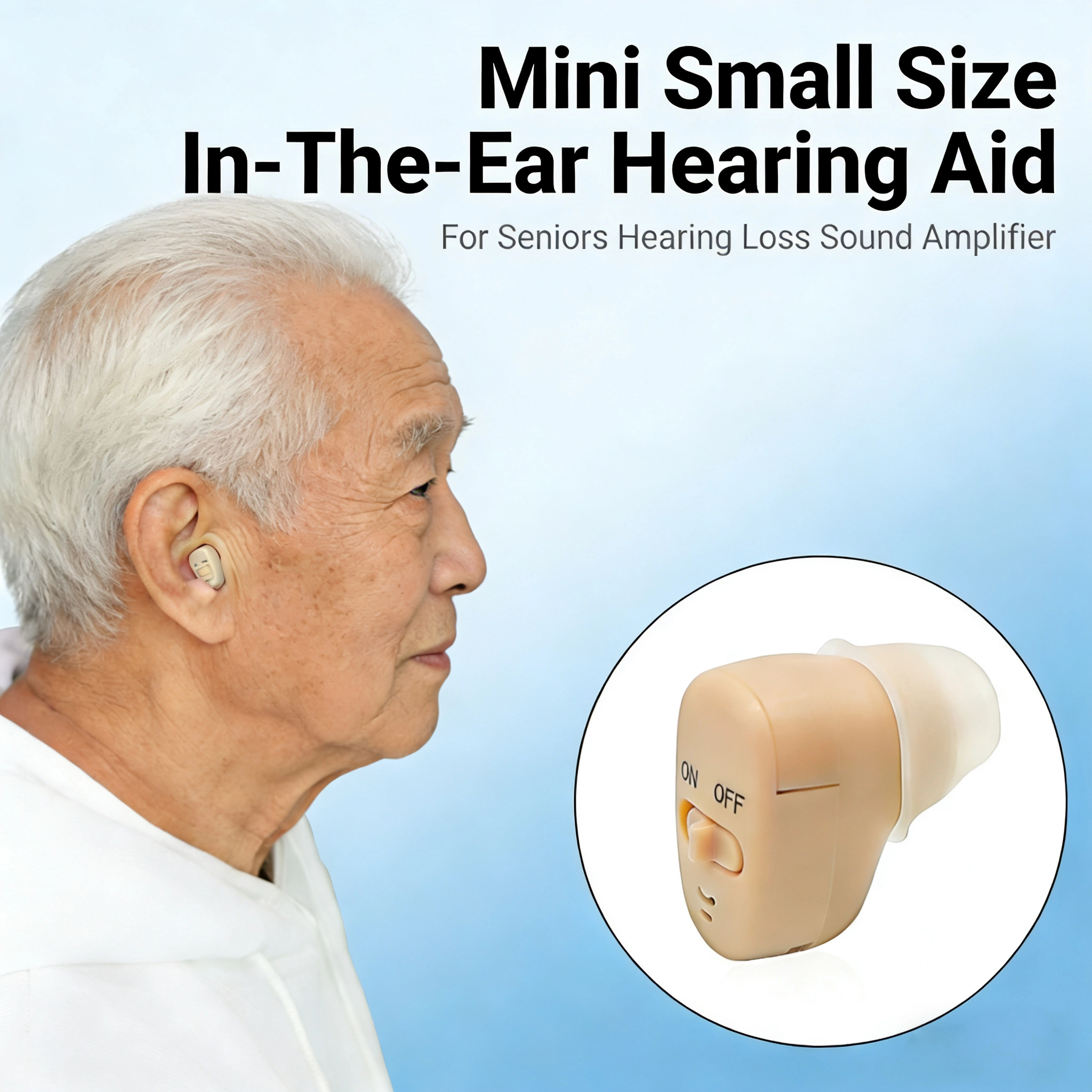
Use this when visibility, handling, and placement matter as much as the product name.
Open articleFAQ
Six short answers cover intended users, placement, controls, battery, sound specs, and buying questions.
The G13 is designed for adults, seniors, and elderly users with mild to moderate hearing loss.
It is an ultra-compact in-ear device designed to sit inside the ear canal for a discreet profile.
It includes an adjustable volume wheel and an on/off switch for simple daily operation.
It uses an A10 zinc air battery and is described with up to 60 hours of operation.
Key specs include up to 30dB maximum gain, 300 to 3500 Hz frequency range, <=5% total harmonic wave distortion, and <=28dB equivalent input noise.
Ask about ear fit, battery replacement, volume adjustment, use environment, and whether professional hearing advice is needed for the user's situation.
Copyright © 2005-2025 Earsmate Co. Ltd. All Rights Reserved. POWERED BY UEESHOP


